Understanding the Core: What is a Referendum?
In the vibrant landscape of modern democracies, the term 'referendum' is frequently heard, signaling a pivotal moment when citizens are called upon to make direct decisions. But what exactly is a referendum, what is its true purpose, and how does it empower you as a citizen? Unpacking the Referendum Betekenis, or the meaning of a referendum, reveals a fundamental mechanism of direct democracy.
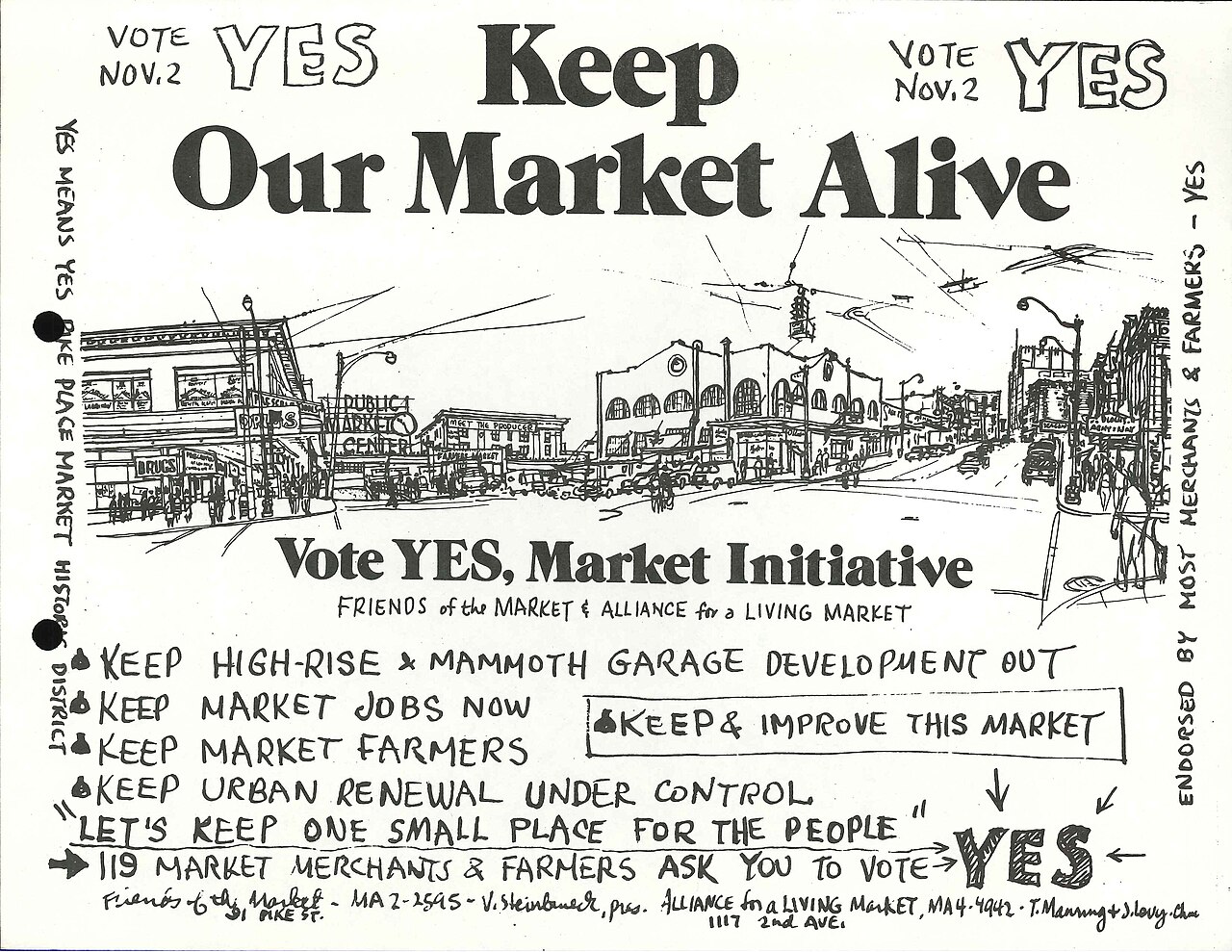
At its heart, a referendum is a voting procedure that allows the electorate of a country, region, or locality to directly decide on a particular policy, law, or constitutional amendment. Unlike traditional representative democracy, where elected officials make decisions on behalf of their constituents, a referendum bypasses this intermediary step, putting power directly into the hands of the people. This direct influence can pertain to significant subjects such as proposed legislation, changes to the constitution, or major societal questions that have broad public impact.
Practically speaking, it involves presenting a specific question to the population, typically in a clear yes-or-no format. The votes are then tallied, and the outcome directly determines the fate of the proposed issue. This mechanism offers you a unique opportunity to voice your opinion on matters that deeply affect your life and community, serving as a powerful collective tool for influencing policy and shaping the future.
The Purpose of Referendums: Why Do We Have Them?
The existence of referendums is not merely a procedural quirk but serves several crucial purposes within a democratic framework, aiming to bridge the gap between governance and the governed.
Empowering Citizens and Enhancing Legitimacy
- Direct Involvement: Referendums enable you to express your opinion directly on issues you care about, fostering a sense of ownership and responsibility in governance.
- Increased Transparency: They shine a spotlight on important debates, providing greater insight into the issues at stake and the various viewpoints within society. This openness can lead to more informed public discourse.
- Democratic Legitimacy: When major decisions are made not only by politicians but also by the direct will of the people, the legitimacy of those decisions is significantly bolstered. It ensures that policies reflect popular sentiment, building trust between the government and its citizens.
- Check on Power: Referendums can act as a crucial check on the power of elected representatives, preventing them from enacting unpopular policies or making decisions without public consent on critical matters.
By bringing citizens directly into the decision-making process, referendums can reinforce the democratic fabric of a nation, making governance more accountable and responsive to the public will. They are a vivid demonstration of the principle that in a democracy, the ultimate authority rests with the people.
Addressing Complex or Divisive Issues
Governments often turn to referendums when faced with issues that are particularly complex, highly divisive, or carry significant long-term consequences, making it difficult for political parties alone to reach a consensus or take sole responsibility. By putting such decisions to a popular vote, the responsibility is shared, and the outcome is endowed with the democratic mandate of the entire populace. This can be particularly useful for constitutional reforms, major international treaties, or sensitive social issues where public sentiment is strong and varied.
How a Referendum Works: The Process Unveiled
While the concept of a referendum is straightforward, the actual process involves several distinct stages, each vital to its execution and democratic integrity. Understanding these steps can help illuminate the practical Referendum Betekenis in action.
- Initiation: A referendum can be initiated in various ways. It might be proposed by the government or parliament itself, often for major policy changes or constitutional amendments. Alternatively, it can be triggered by a citizen initiative, where a specified number of signatures are collected on a petition to demand a public vote on a particular issue.
- Question Formulation: One of the most critical stages involves crafting the question to be put before the electorate. The question must be clear, concise, and unbiased, typically requiring a simple 'yes' or 'no' answer. The wording can significantly influence the outcome, making neutrality paramount.
- Campaigns and Information: Leading up to the voting day, various campaigns are launched by proponents and opponents of the proposal. Political parties, interest groups, and grassroots organizations engage in public debate, distribute information, and try to sway public opinion. Media coverage, debates, and public forums play a vital role in informing citizens.
- Voting Day: On the designated day, eligible citizens cast their votes, either in person at polling stations, via postal ballot, or in some cases, through electronic means. Eligibility usually requires being registered as a voter in the respective jurisdiction.
- Counting and Announcement: After the voting period closes, all ballots are counted, and the results are officially announced. Depending on the type of referendum, this outcome then dictates the government's next steps.
Referendums can take place at various administrative levels: locally (e.g., on municipal projects), regionally (e.g., on provincial policies), or nationally (e.g., on constitutional changes or national laws). The scope depends entirely on the issue at hand. For a more detailed look at the mechanics, explore our article on How a Referendum Works: Steps, Types, and Your Direct Vote.
Types of Referendums and Their Impact
Not all referendums carry the same weight or produce the same legal consequences. Understanding these distinctions is key to grasping their full impact.
Binding vs. Consultative Referendums
The most crucial distinction lies in whether the outcome is legally enforceable:
- Binding Referendum: In this type, the result is legally binding on the government and parliament. They are obligated to implement the will of the people as expressed in the vote. This form represents the highest level of direct citizen power, offering a definitive say in policymaking. For example, a binding referendum on a constitutional amendment would compel the government to enact that amendment if passed.
- Consultative (or Advisory) Referendum: Here, the outcome serves as advice or a recommendation to the government. While it provides a strong indicator of public opinion and is often taken seriously, the government is not legally bound to follow it. They can choose to accept or disregard the advice, though ignoring a strong public mandate can carry significant political risks. These are often used for complex issues where the government wants public input but wishes to retain ultimate decision-making authority.
The choice between a binding and consultative referendum often reflects the political culture and specific legal framework of a country, influencing the degree to which citizens can directly shape policy.
Navigating the Pros and Cons: A Balanced View
While referendums offer powerful democratic advantages, they are not without their complexities and potential drawbacks.
Advantages of Referendums:
- Enhanced Democratic Legitimacy: Decisions made with direct public approval carry greater weight and are less likely to be challenged on grounds of lacking popular consent.
- Increased Citizen Engagement: Referendums can stimulate political debate, educate the public on key issues, and encourage higher voter turnout, thus strengthening civic participation.
- Direct Expression of Popular Will: They provide an unfiltered channel for the public to express their preferences, bypassing potential lobbying or political maneuvering within legislative bodies.
- Checks and Balances: They serve as an important democratic safeguard against potential abuses of power by political elites or special interest groups.
Disadvantages of Referendums:
- Potential for Polarization and Division: Referendum campaigns can often be highly emotional, simplifying complex issues into stark 'yes' or 'no' choices, which can deeply divide a society and create lasting rifts, as seen in various historical examples.
- Oversimplification of Complex Issues: Many policy issues involve intricate details, compromises, and unforeseen consequences that are difficult to convey in a simple question. Reducing them to a binary choice can lead to suboptimal decisions.
- Influence of Money and Media: Campaigns can be heavily influenced by well-funded interest groups or biased media portrayals, potentially manipulating public opinion rather than fostering informed deliberation.
- Risk of "Tyranny of the Majority": While democratic, referendums can sometimes allow a simple majority to override the rights or interests of minority groups, if not carefully designed.
- Voter Apathy or Lack of Information: If citizens are not sufficiently informed or engaged, the outcome may reflect apathy or superficial understanding rather than considered judgment.
- Cost and Logistical Challenges: Organizing national referendums can be expensive and logistically demanding, diverting resources that could be used elsewhere.
A successful referendum, therefore, relies heavily on a well-informed electorate and a robust public sphere where diverse viewpoints are openly debated.
Your Role in a Referendum: Maximizing Your Influence
The essence of the Referendum Betekenis lies in its emphasis on citizen power. Your participation is not just a right but a crucial element in ensuring these democratic tools are used effectively and responsibly. Here’s how you can maximize your influence:
- Stay Informed: Actively seek information from a variety of credible sources. Don't rely solely on campaign slogans. Read detailed analyses, examine economic forecasts, and understand the potential social impacts of the proposed issue. Critical thinking is paramount.
- Understand the Question Fully: Take the time to deconstruct the referendum question. What exactly are you voting for or against? Are there nuances or hidden implications in the wording?
- Weigh Pros and Cons Carefully: Consider the arguments from both sides. Think about the short-term and long-term consequences of each choice, not just for yourself, but for your community and future generations.
- Register to Vote: Ensure you are properly registered to vote well in advance of the referendum date. Check your eligibility and the necessary procedures in your local area.
- Discuss Respectfully: Engage in constructive dialogue with friends, family, and colleagues. Listening to different perspectives can deepen your own understanding and help others make informed decisions.
What happens if you don't vote? While there are no direct legal consequences for not participating, you miss the invaluable opportunity to let your voice be heard on critical issues that directly affect your life and the direction of your society. Your vote, combined with millions of others, is the mechanism through which collective will is expressed. For more on how citizen engagement strengthens democracy through such mechanisms, see Referendums: Empowering Citizens for a Stronger Democracy.
Conclusion
A referendum is a powerful instrument of direct democracy, offering citizens a unique chance to directly shape their society's laws and future. Grasping the true Referendum Betekenis involves understanding its definition, its purpose in empowering citizens and legitimizing decisions, and the structured process through which it operates. While offering tremendous potential for democratic enrichment, referendums also demand an engaged, informed, and thoughtful electorate to navigate their complexities and mitigate potential pitfalls. By actively participating and meticulously considering the choices, you contribute to a more vibrant, responsive, and truly democratic governance that places the citizen at its very heart. Your voice matters – make it heard.